
Mental Health Counseling
for Adults & Couples
in Florida
Restoring Peace. Building Secure Connections.
You don’t have to navigate healing alone.
Relationships are HARD. There’s no instruction manual for navigating conflict, expressing emotional needs, or unlearning the baggage we carry from childhood. If you find yourself overthinking your relationships, struggling with trust, or feeling disconnected from others, know that you aren’t alone.
Therapy provides space to slow down, make sense of what you’re experiencing, and discover a new path forward - a path that feels more aligned and connected to you!
As an attachment-focused therapist, my goal is to guide you towards a deeper understanding of yourself so you can navigate life with confidence and clarity.
Start your therapy journey today with a free 15 minute consultation
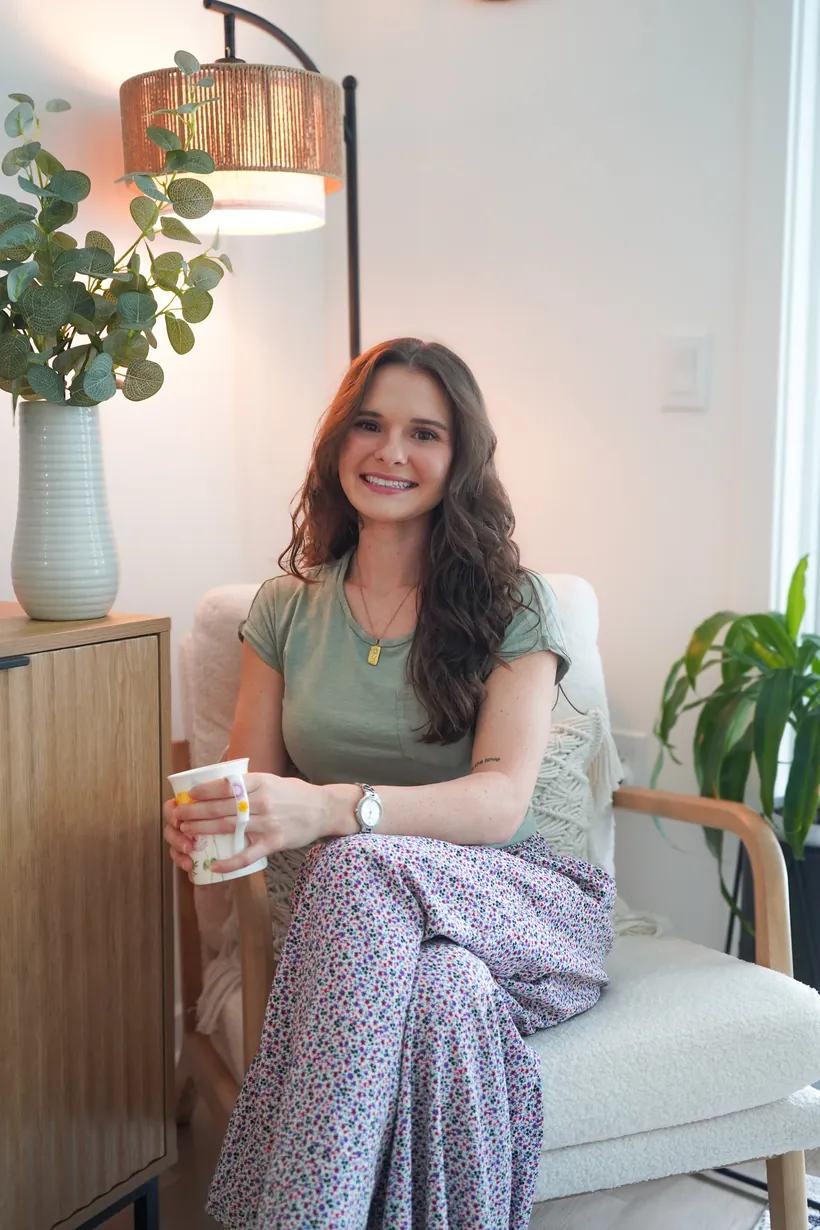
Welcome,I’m so glad you’re here!
I’m Emily, your attachment therapist! My passion for helping people began shortly after starting my own therapy journey as a teenager struggling with intense emotions, anxious relationships, and complex family dynamics. I know what it’s like to feel lost and overwhelmed. Therapy has impacted my life in meaningful ways, and I would be honored to walk alongside you as you create meaningful change in your life.
With years of education and experience working with adults and couples, I offer a deep understanding of relationship dynamics and practical tools to navigate challenges, such as anxiety, depression, and trauma. I blend clinical skills with honesty and humor to create an experience that feels human!
My goal is to guide you toward a deeper understanding of yourself so you can restore peace and build secure connections.
Check out my about me page to learn more!

Take the step toward meaningful and lasting change.
Book a Free 15-Minute ConsultationServices

One-on-One Therapy
Lasting change begins with a strong therapeutic relationship. Together, we’ll build a space rooted in trust and authenticity, where you can explore your experiences openly and develop the insight and skills needed to feel more empowered in your life.
Supporting adults struggling with:
- Anxiety
- Depression
- Trauma
- ADHD
- Codependency
- Relationship issues
- Self-esteem
- Identity
- Family conflict
- Divorce
- Parenting challenges
- LGBTQ+ concerns
Individual therapy sessions are offered online for adults throughout Florida. Your first session is a 60–75 minute intake, followed by 53-minute follow-up sessions.
90-minute sessions are available upon request.

Couples Therapy
Rebuild trust, increase intimacy, and rediscover the connection that first brought you together.
We may work on:
- Conflict resolution
- Emotional intimacy
- Sexual intimacy
- Attachment patterns
- Parenting concerns
- Life transitions
Couples counseling is offered online for adults throughout Florida. Your first session is a 60–75 minute intake, followed by 53-minute follow-up sessions.
90-minute sessions are available upon request.
*Available for couples in all stages of their relationship, including dating, engaged, and married couples.
About Me
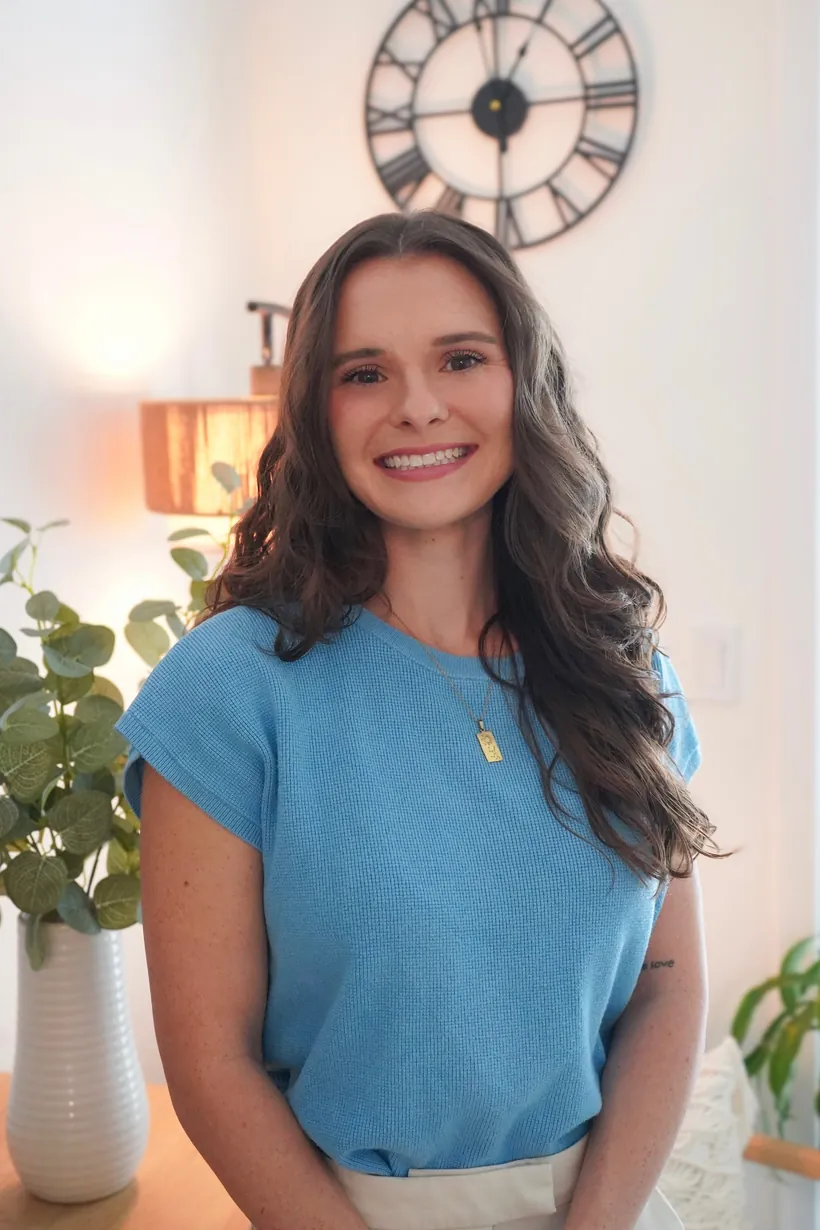
Registered Mental Health Counselor Intern
Hi, I’m Emily!
I’m a Registered Mental Health Counselor Intern with a master’s degree in Clinical Rehabilitation and Mental Health Counseling with a graduate certificate in Marriage and Family Therapy from the University of South Florida. Go bulls!
My Approach
Our relationships shape so much of how we understand ourselves and the world around us. Early experiences can influence the beliefs we carry, the way we relate to others, and how we respond to conflict.
I think of the relationship patterns we learn growing up as “roadmaps.” They can shape how we protect ourselves in adult relationships, even when those patterns no longer serve us.
Learning about attachment styles, relationship patterns, and trauma can provide valuable insight, helping you better understand yourself and create your own roadmap—a roadmap that strengthens your relationships with your friends, family, significant others, and, most importantly, YOURSELF.
How I Support My Clients
With attachment theory as the foundation of my work, I also support clients with the following evidence-based approaches:
- Attachment Theory
- Understanding how early relationships shape our emotional patterns, beliefs about ourselves, and connections with others.
- IFS-Informed Interventions
- Understanding different parts of yourself with curiosity and compassion rather than judgment.
- EFT-Informed Interventions
- Recognizing emotional patterns and strengthening emotional connection, trust, and security in relationships.
- DBT-Informed Skills
- Developing practical skills for emotional regulation, distress tolerance, and effective communication.
- Solution-Focused Interventions
- Building on existing strengths, identifying resources, and taking meaningful steps toward change.
- Somatic and Mindfulness-Based Techniques
- Increasing awareness of the mind-body connection and developing skills to feel more grounded, present, and emotionally regulated.
My Values
Therapy begins with emotional safety.
I value creating a nonjudgmental environment where you feel safe enough to be vulnerable and explore the parts of you that feel hurt or scared.
I value your unique experience and spend intentional time understanding your journey because everyone has a different story.
I value connection and believe healing happens through relationships. The therapeutic relationship can create space for honesty, vulnerability, and growth.
I value authenticity and strive to be my authentic self in each session. Being human is what makes therapy special.
My hope is that our time together helps you develop a deep understanding of yourself, your values, and what you need in relationships.
Let’s work together so you can restore peace and build secure connections.
Credentials
- Registration
- Registered Mental Health Counselor Intern
Florida Registration: IMH27137 - University of South Florida
- Master of Arts in Clinical Rehabilitation and Mental Health Counseling
Graduate Certificate in Marriage and Family Therapy - North Greenville University
- Bachelor of Arts in Psychology
- Supervision
- Supervised by Tessa Hastings, MH19857
FAQ
Do you accept insurance?
You pay the session fee upfront, and Thrizer can assist with submitting your claim for out-of-network reimbursement. Reimbursement depends on your individual insurance plan and out-of-network benefits.
FSA and HSA cards are also accepted.
Check what your plan covers in a few seconds by clicking this link.
Do I have to live in Florida?
How much does therapy cost?
Initial Intake: $150 | 60–75 minutes
Follow-Up: $130 | 53 minutes
Intensive: $185 | 90 minutes
Couples Therapy
Initial Intake: $175 | 60–75 minutes
Follow-Up: $150 | 53 minutes
Intensive: $215 | 90 minutes
Who do you work with?
What happens during the first session?
We’ll talk about your experiences, what you’re hoping will change, and what you would like to work toward.
How do I know if we’re a good fit?
If your needs are outside my scope of practice, I’m happy to help connect you with an outside referral.
Is online therapy right for me?
Online therapy might not be the right fit for you if you find it difficult to focus or feel connected through a screen, have difficulty finding a private space for sessions, or feel that in-person support would better meet your needs.
Do you offer in-person therapy?
Clients must be physically located in Florida at the time of their session.
Let’s Connect
Finding the right therapist matters.
Schedule a free 15-minute consultation and begin your therapy journey today!